Our Finest GI Honey, from the Heart of the Mau Forest

Mau Forest Honey GI

Discover the taste of the East Mau

Bees forage on native broadleaf trees and wild forest flora between 1,800 and 3,200 metres. The result is a honey with a character found nowhere else, harvested by local beekeepers who know this forest well.

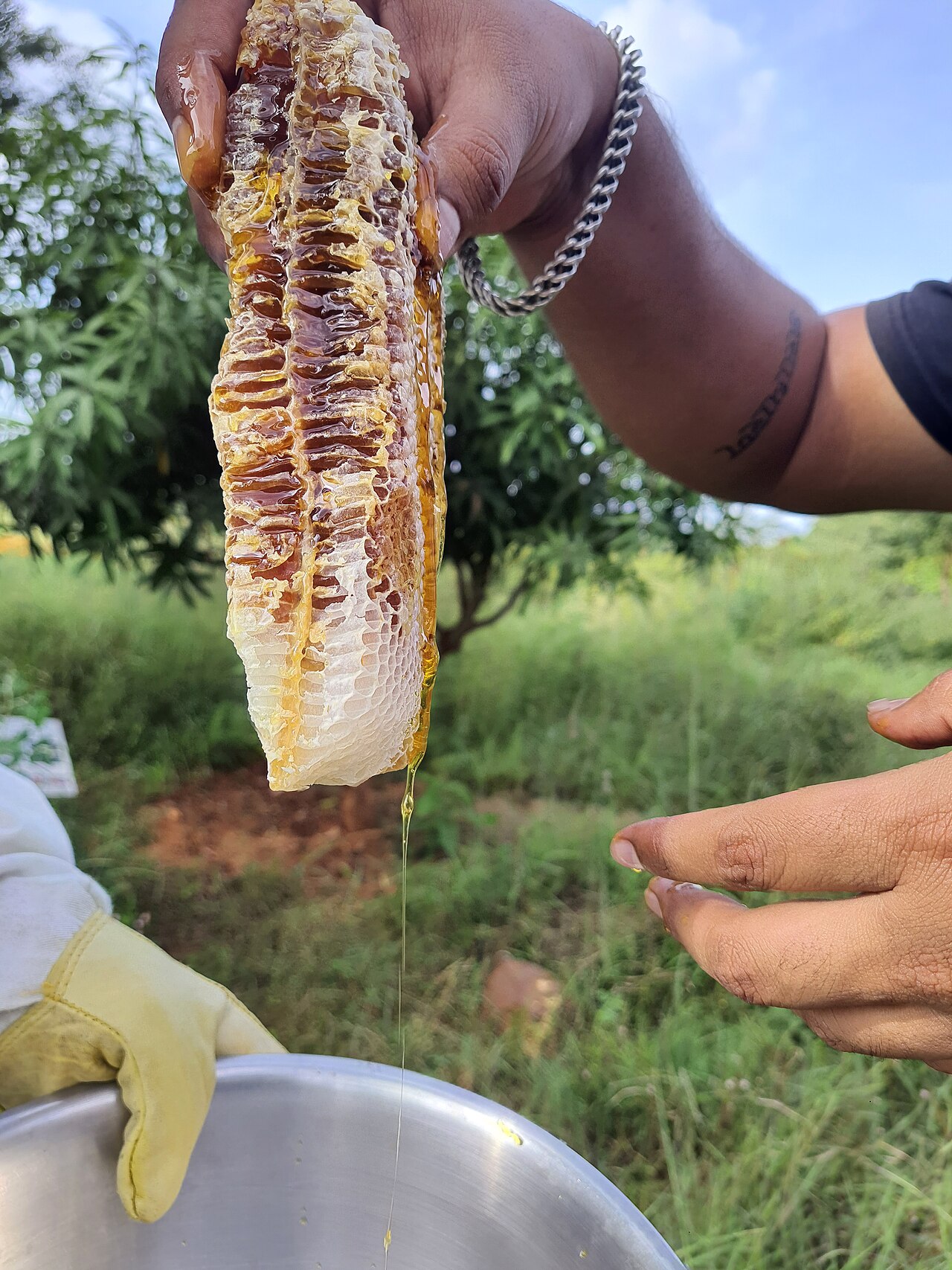
Fresh honeycomb dripping with honey
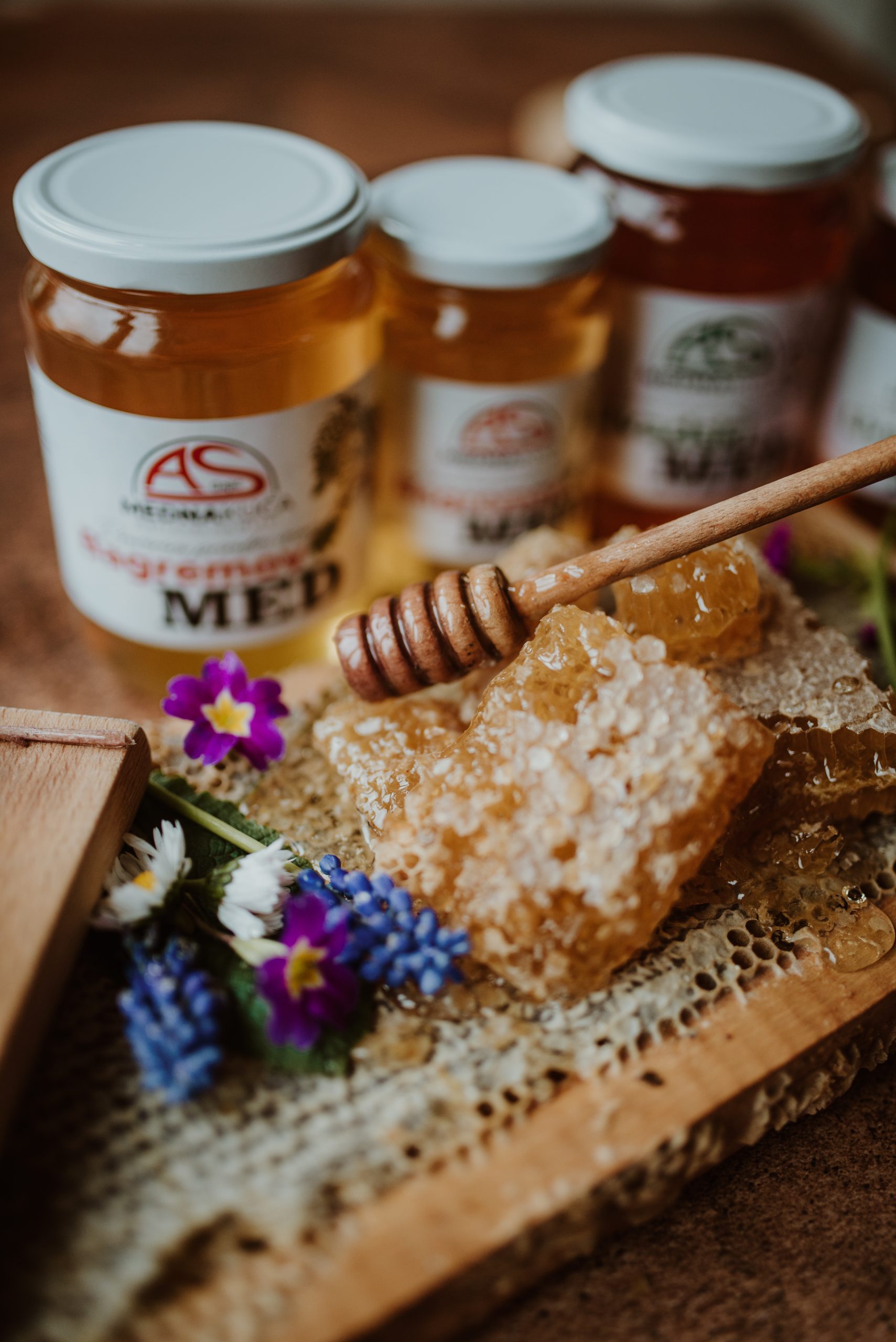
Jar of honey with a wooden dipper

Geographical Indication

What is a Geographical Indication?

A Geographical Indication (GI) is a collective sign showing that a product comes from a specific place and owes its qualities to that origin.

It is not a commercial brand. It belongs to the authorised producers of the territory and protects the name Mau Forest Honey from misuse.

Produced in a

Defined territory

Produced within the GI area, in the highland forest landscape of the Mau Forest Complex.

Used only by

Authorised producers

The GI identity is restricted to producers and value-chain actors authorised under the GI system.

Backed by

Controls and traceability

Specifications and controls keep a transparent link between product, producers and territory.

For you, the consumer

More and more people ask where their honey really comes from. The GI makes the answer visible: the name is reserved for honey from the defined territory.

For us, the beekeepers

The GI recognises a collective identity rooted in the highland ecosystem of the East Mau and in know-how passed between generations.

Inside the Mau Forest

The territory

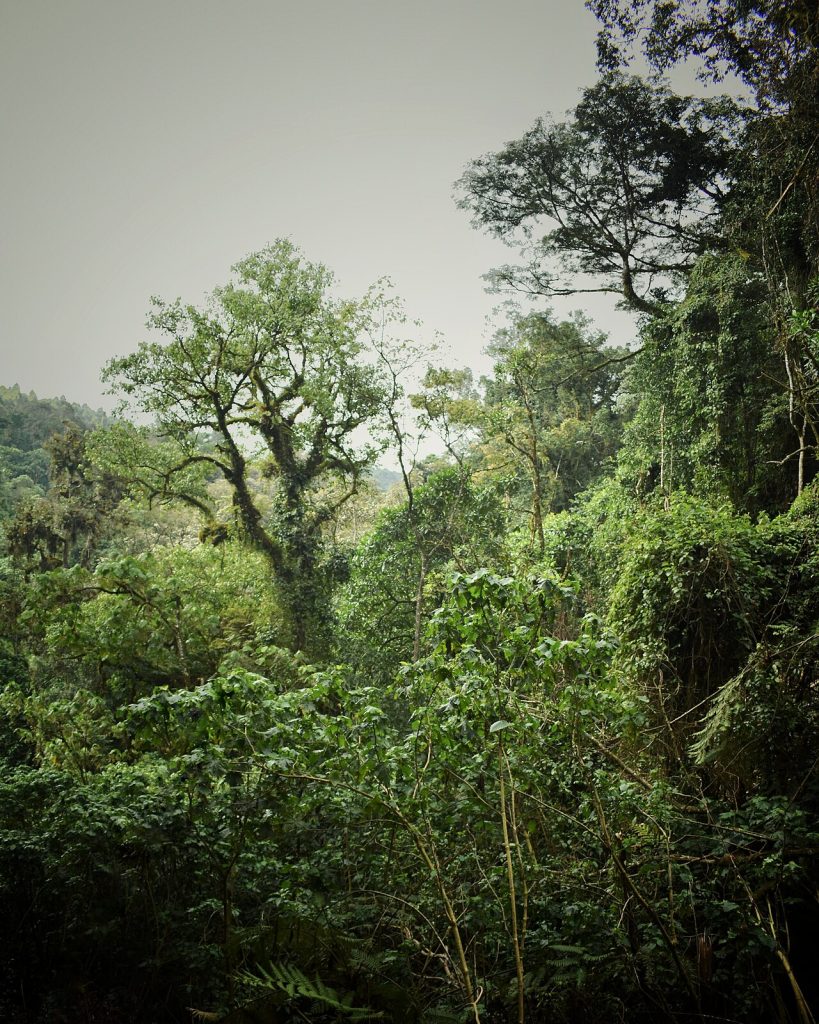
A living forest, from 1,800 to 3,200 metres

Native broadleaf forest, cool highland air, streams and springs. This landscape is what gives Mau Forest Honey its identity.

1,800 to 3,200 m

Altitude of the highland forest where the honey is produced

East Mau

Forest Complex in Kenya, the territory of origin

1 shared seal

One collective identity for all authorised producers
Origin and know-how

What shapes Mau Forest Honey

Six things make this honey what it is, from the forest it grows in to the people who harvest it.

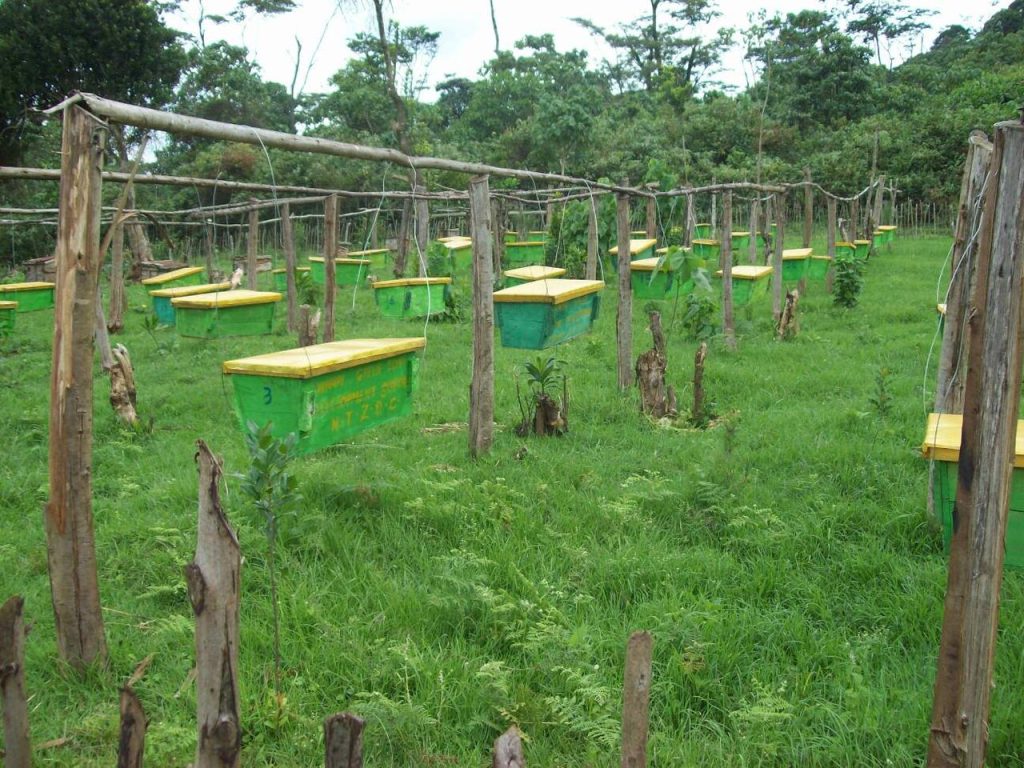
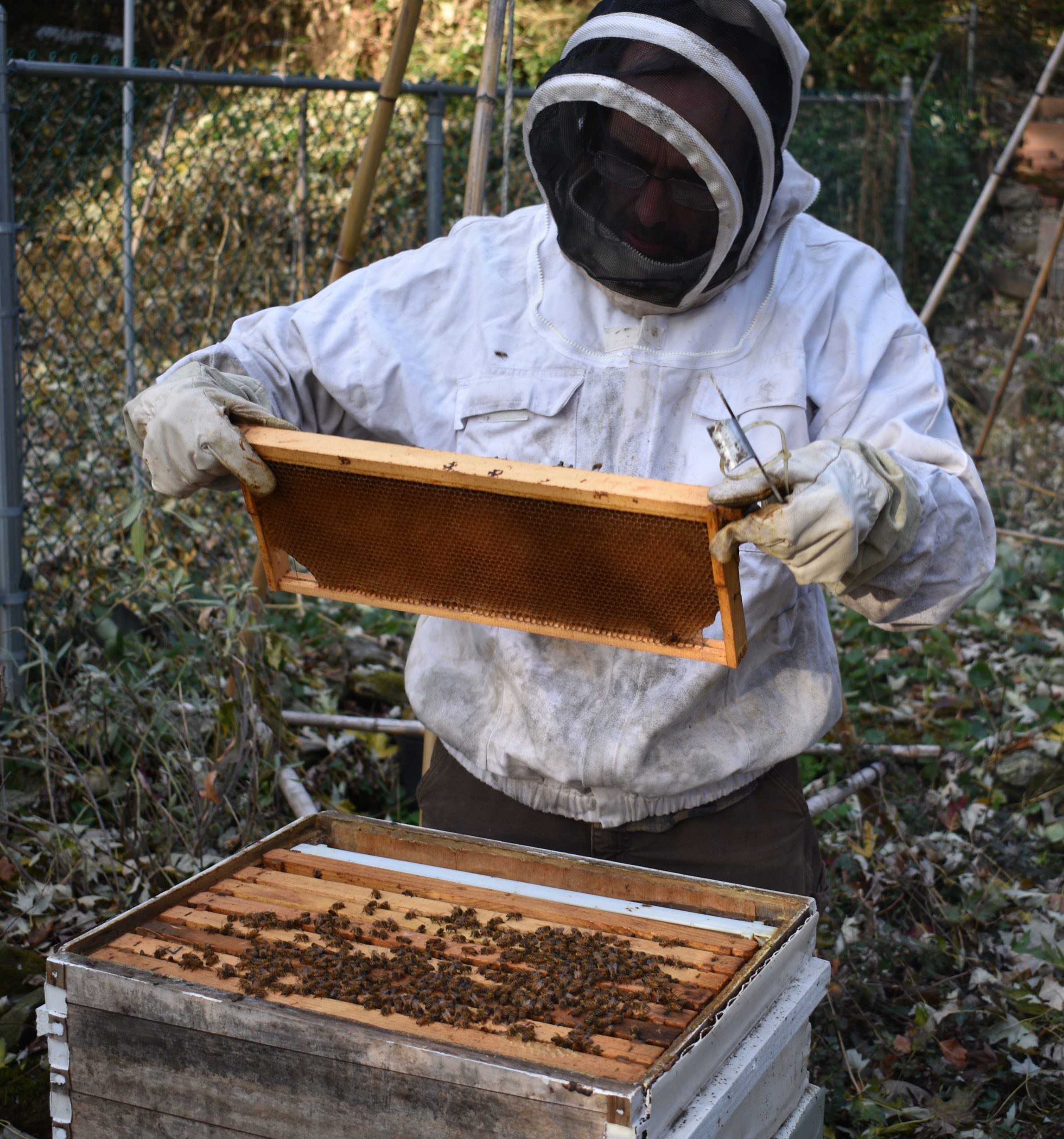
Apiary with beehives in Kenya

Indigenous forest

Native broadleaf forest is the bees’ foraging ground.

Highland altitude

Hives sit between 1,800 and 3,200 metres.

Biodiversity

Highland streams, springs and diverse forest flora.

Beekeepers' know-how

Practices passed between generations.

Collective identity

One shared sign for all eligible producers.

Traceability

A transparent link from hive to jar.

The people

Know-how passed between generations

Behind every jar is a beekeeper from the Mau. Authorised producers share one sign of origin and the careful practices that protect the forest and the quality of the honey.

Why look for the seal

Enjoy honey you can trust

A guarantee of the origin and quality of your honey.

Trace your jar back to its beekeeper and forest.

Support the people who protect the Mau Forest.

Mau Forest Honey GI logo

Mau Forest Honey GI seal

Found on labels, tags and seals of authorised jars, with a reference number for each batch.

Check your honey

Look for the seal. Check the number.

The seal guarantees the honey comes from the East Mau Forest and an authorised beekeeper. Enter the reference number printed next to it to see where your honey comes from.

1

Find the number next to the seal

2

Type it in the field above

3

See its origin and producer

Mau Forest Honey GI Association

In the highlands of Kenya, the Mau Forest provides the perfect environment for producing high-quality forest honey. The Mau Forest Honey GI Association represents 9 local cooperatives and over 11,000 beekeepers.

11,000+

Member Beekeepers

9

Local Cooperatives

Our partners

The Mau Forest Honey GI Association is supported by:

Contact

Questions about Mau Forest Honey?

Buyers, partners, beekeepers and visitors: write to us and the GI team will get back to you.