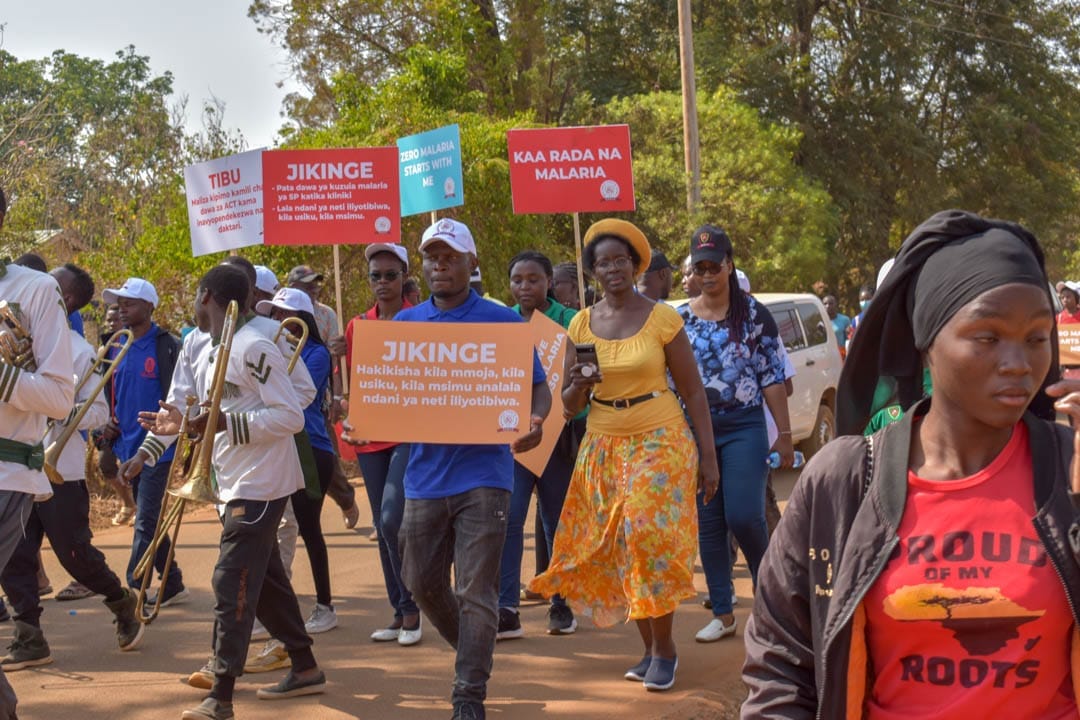
Fight against malaria under the leadership of President Uhuru Kenyatta
Investments by the Government in combating Malaria under the leadership of President Uhuru Kenyatta have
Learn More
To develop a critical pool of resource persons at the sub-national level for capacity building in order to facilitate the implementation of the Revised KMS.
To identify areas for technical support and solicit the expertise available through the Roll Back Malaria (RBM) initiative via WHO/AFRO to support in capacity building.
To develop a critical pool of resource persons at the sub-national level for capacity building in order to facilitate the implementation of the Revised KMS.
To be the primary source of technical advice for the sub-national level. Information for this task is generated through the various technical working groups (TWGs).
To identify areas for technical support and solicit the expertise available through the Roll Back Malaria (RBM) initiative via WHO/AFRO to support in capacity building.
To play a leading role in defining & disseminating the Kenya Malaria Strategy and to set annual milestones for the implementation of the strategy.
To develop a critical pool of resource persons at the sub-national level for capacity building in order to facilitate the implementation of the Revised KMS.
To identify areas for technical support and solicit the expertise available through the Roll Back Malaria (RBM) initiative via WHO/AFRO to support in capacity building.
To be the primary source of technical advice for the sub-national level. Information for this task is generated through the various technical working groups (TWGs).
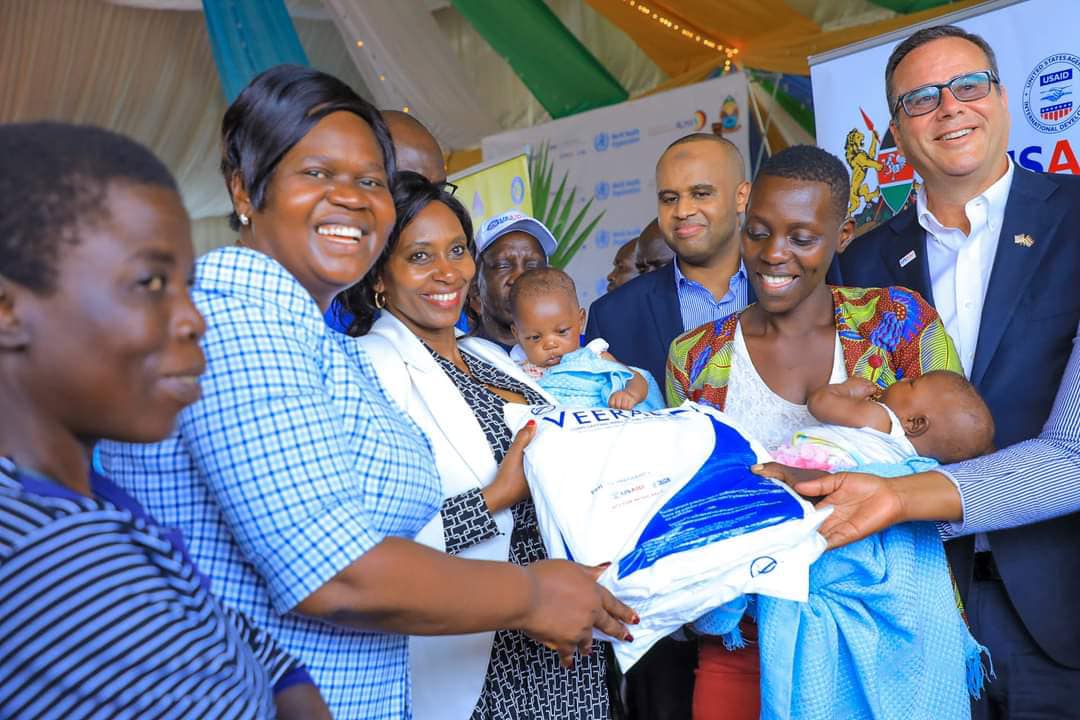
Investments by the Government in combating Malaria under the leadership of President Uhuru Kenyatta have
Learn More
Over the past eight months Malaria, HIV, and TB Programs have been focusing efforts towards
Learn More
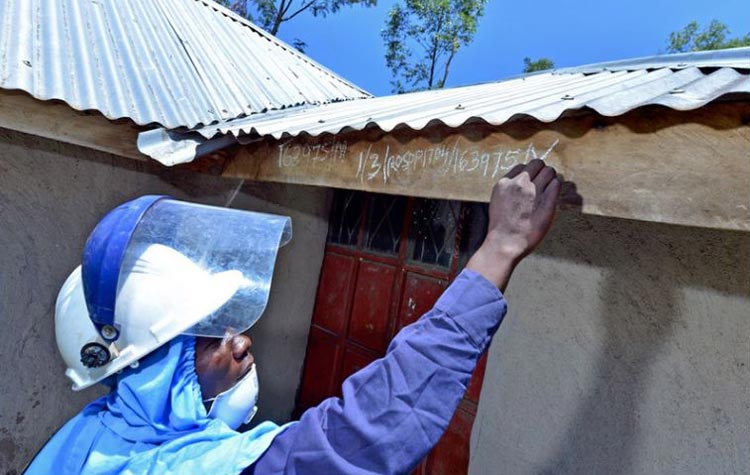
For the first time in five years, Indoor Residual Spraying (IRS) was implemented in Kenya.
Learn MoreEvery one is at risk of getting malaria. However, children below the age of five years and pregnant women are more vulnerable due to their biological nature. Children at that age have not yet developed enough capacity to fight diseases and pregnant women capacity to fight diseases is usually reduced during pregnancy period.
ACTs is short for Artemesinin Combination Therapy. It is the simultaneous use of two or more anti-malarial drugs that act on critical form of malaria parasite (known as blood schizonts) in the human body. However, either of the two drugs must contain artemisinin or its derivative. The strength of the drug comes from independent modes of action and and their ability to attack biochemical targets in the parasite.
Before Kenya adopted AL for first line treatment, a number of other combinations were tried to show their effectiveness. Based on these clinical trials done on AL in some parts of Kenya, it was found that they achieved cure rate above 95%. This was corroborated with trials in other countries such as South Africa, Tanzania and Burundi.
AL being a 3-day-6-dose fixed combination and available in pre-packaged age-weight based, packs was found to be the most appropriate. No resistance to either of the component drugs has been observed in Kenya so far.
Artemisinin and its derivatives (artesunate, artemether, artemotil and dihydroartemesinin) produce rapid resolution of malaria symptoms as well as clearance of parasites in the blood. ACTs are more effective and protect partner drugs development of resistance.