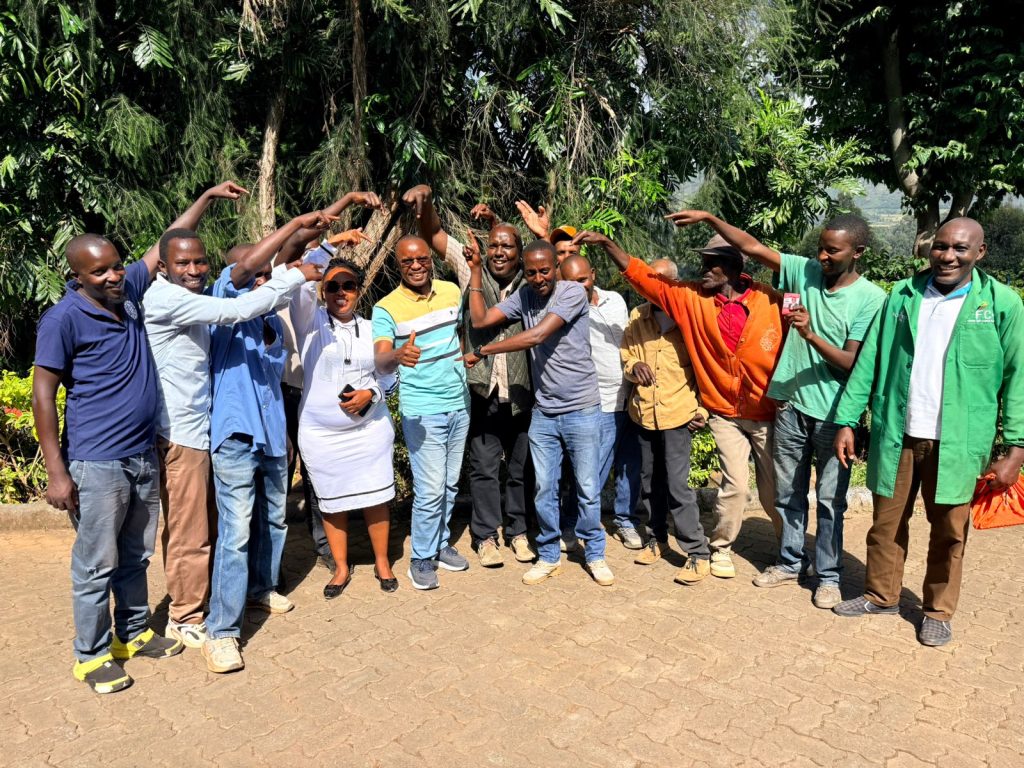

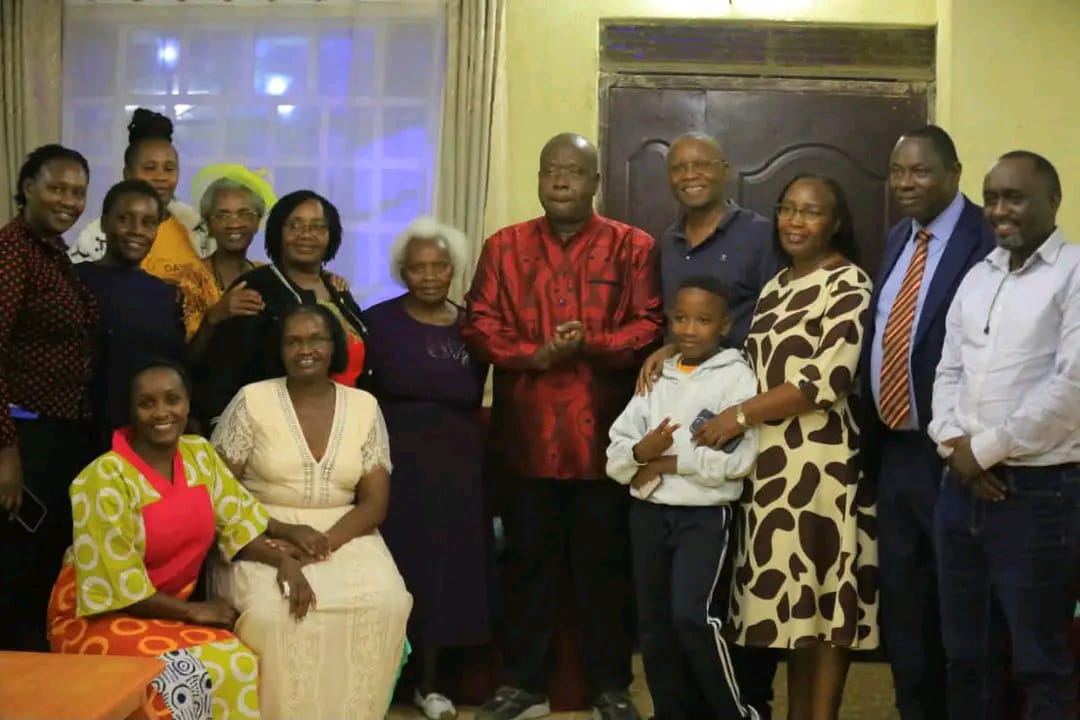
Building a Stronger, More Prosperous and Inclusive Subukia
Our Development Commitment
Subukia has enormous potential. Our farmers, business people, young people, women, professionals, religious leaders and elders are the foundation of that potential. Our development agenda focuses on practical solutions that improve livelihoods, expand opportunities and strengthen communities. The agenda is built around five strategic pillars, supported by cross-cutting priorities in good governance, youth and women empowerment, entrepreneurship, healthcare and environmental sustainability.
Leadership You Can Trust, Change You Can Feel.




Pillar 1: Elimu Bora – Quality Education
Better Education. Better Opportunities. A Better Future.
Education is the foundation of opportunity. Our commitment is to improve access to quality education, strengthen learning environments and create more opportunities for learners and young people across Subukia.
Our Commitments
Our goal: Ensure that no child studies on an empty stomach.
We will promote a sustainable school feeding programme in public primary and ECDE schools, working with government, NGOs, churches and development partners. The programme will also seek to purchase food locally from farmers, supporting both learners and local agriculture.
We will advocate for increased bursary support and transparent allocation, with priority given to vulnerable learners and learners with disabilities. We will also promote merit-based scholarships for deserving students.
We will prioritise:
- Construction of classrooms
- Improved school sanitation
- Provision of desks
- Learning materials
- ICT laboratories
We will advocate for adequate staffing, support teacher training and recognise outstanding teachers for their contribution to education.
We will strengthen opportunities through:
- TVET
- Entrepreneurship training
- Internships
- Industrial attachments
Expected Impact
- Improved school attendance
- Better academic performance
- Lower dropout rates
- Increased transition to higher education
- A more skilled youth population
Pillar 2: Barabara Bora – Roads & Infrastructure
Better Roads. Better Connectivity. Better Opportunities.
Good infrastructure connects people to schools, healthcare, markets and economic opportunities. Our agenda will focus on improving connectivity throughout Subukia.
- Upgrade roads linking wards
- Improve feeder roads
- Improve farm-to-market roads
- Construct bridges
- Improve drainage
- Install solar street lighting in trading centres
- Improve access to schools
- Improve access to hospitals
- Improve access to markets
Better infrastructure will contribute to:
- Reduced transport costs
- Increased investment
- Safer communities
- Improved business activity
- Better movement of agricultural produce
- Improved access to essential services

Pillar 3: Maji Bora – Clean Drinking Water for Every Household
Clean Water. Healthier Families. Stronger Communities.
Reliable access to clean and safe water is essential to the health, dignity and economic wellbeing of every household.
Our Commitments
- Extend piped water to villages and households
- Drill boreholes
- Expand existing water schemes
- Build water storage tanks
- Protect springs
- Protect water catchment areas
- Promote sustainable water management
- Promote rainwater harvesting in homes
- Support rainwater harvesting in schools and health centres
- Encourage regular water-quality testing
- Greater access to clean water
- Better community health
- Fewer waterborne diseases
- Reduced time spent searching for water
- Improved quality of life for households
Pillar 4: Ukulima Bora – Agricultural Transformation
Stronger Farmers. Better Markets. Higher Incomes.
Agriculture is central to the livelihoods and economic opportunities of the people of Subukia. Our agricultural agenda is focused on improving productivity, strengthening farmers, expanding markets and creating greater value from agricultural production.
Our Commitments
We will support dairy farmers through:
- Artificial insemination services
- Access to quality feeds
- Stronger farmer cooperatives
- Milk cooling plants
- Value addition
We will promote stronger poultry enterprises through:
- Access to quality chicks
- Feed production
- Disease control
- Better market access
We will support farmers to explore higher-value agricultural opportunities through:
- Irrigation
- Greenhouses
- High-value crops
- Cold storage
Young people should not only seek employment; they should also have opportunities to create enterprises within agriculture.
We will promote:
- Youth participation in agribusiness
- Agricultural entrepreneurship
- Stronger farmers' cooperatives
- Improved agricultural value chains
- Better market linkages
- Higher farmer incomes
- Improved food security
- Increased employment opportunities
- Stronger agricultural markets
- Greater value addition


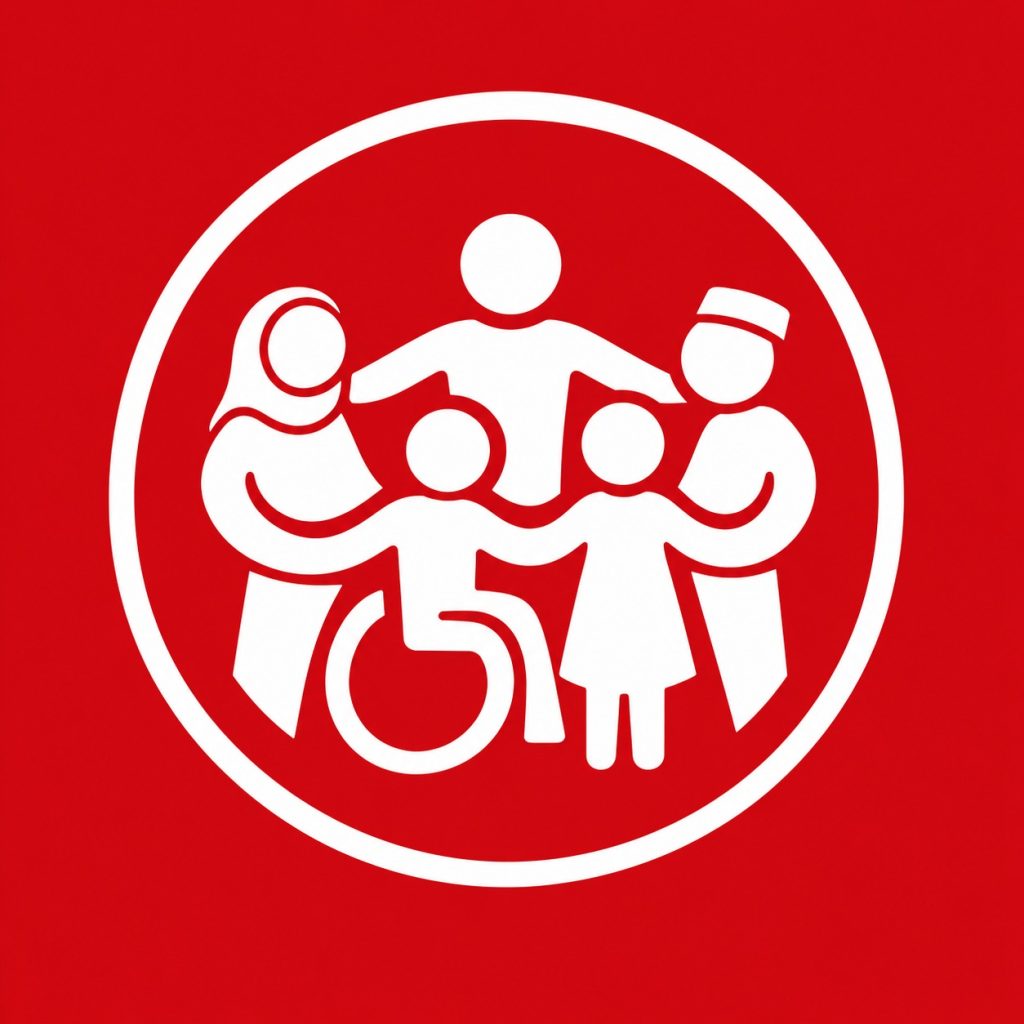
Pillar 5: Maendeleo Subukia Yote-Inclusive Development
An Inclusive Subukia Where Everyone Has an Opportunity to Thrive.
Development must include everyone. Our agenda seeks to ensure that persons living with disabilities participate fully in education, employment, economic opportunities, public services and community development.
- Promote equal access to education
- Promote equal access to employment
- Improve access to public services
- Support access to assistive devices
- Promote economic empowerment
- Create opportunities for participation in procurement
- Promote accessible public facilities
- Strengthen representation in development committees
- Greater inclusion
- Equal opportunities
- Greater independence
- Increased participation in community development
CROSS-CUTTING PRIORITIES
The five strategic pillars are supported by additional priorities that are essential to building a stronger Subukia.
Pillar 6. Good Governance & Accountability
Leadership That Listens. Leadership That Delivers.
Development requires transparency, accountability and meaningful public participation. We believe residents should be able to understand what has been proposed, what has been implemented, what remains outstanding and why development priorities have been selected.
Our approach to development will be guided by:
- Integrity
- Transparency
- Accountability
- Public participation
- Efficient use of public resources
- Zero tolerance for corruption
- Open-door leadership

Pillar 7. Youth, Women & Entrepreneurship
Creating Opportunities. Empowering People. Building Livelihoods.
Young people and women are important drivers of Subukia’s economic future. Our goal is to create an environment where people can develop their skills, start enterprises, access markets and build sustainable livelihoods.
- Youth employment
- Skills development
- Women-owned enterprises
- Affordable financing
- Financial literacy
- Innovation and technology
- Digital jobs
- Entrepreneurship
- Sports and talent development
- Enterprise opportunities
Pillar 8. Health & Environment
Healthier Communities. A Cleaner, More Sustainable Subukia. A prosperous constituency requires healthy communities and a protected environment.
- Better-equipped health facilities
- Improved access to essential healthcare services
- Preventive healthcare
- Community-based healthcare
- Tree planting
- Protection of water catchment areas
- Clean markets
- Responsible waste management
- Climate-smart development
- Environmental conservation

Our Development Approach
Listen. Prioritize. Plan. Implement. Report. Review.
Development should not be a one-way conversation. We believe the people of Subukia should have a voice in identifying priorities, shaping solutions and monitoring progress. Our approach is therefore built around six steps:
- i - Listen: Understand the needs, experiences and priorities of residents.
- ii – Prioritize: Identify the most important issues requiring attention.
- iii- Plan: Develop practical and achievable interventions.
- iv- Implement: Work with relevant stakeholders and development partners to turn plans into action.
- v – Report- Keep residents informed about progress, achievements and challenges.
- vi- Review-Assess what is working, what needs improvement and what should come next.