

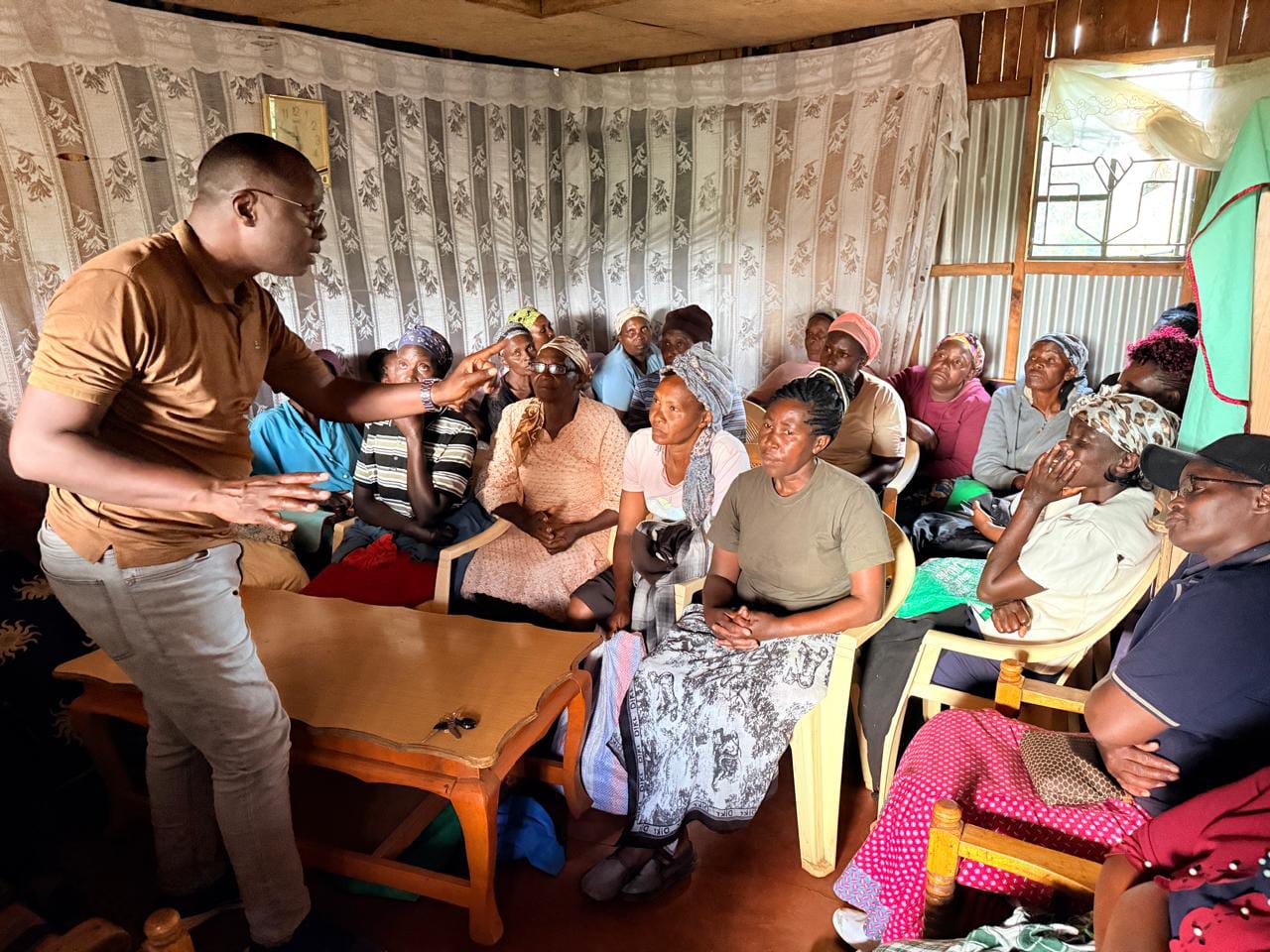
Building a Development Agenda That Reflects Community Priorities
By Stephen Wainaina Ngugi
Leadership You Can Trust, Change You Can Feel.
The future of Subukia must begin with the voices of its people.
Every community has its aspirations, challenges and ideas about what a better future should look like. In Subukia, our development journey must begin by listening to the people who understand these realities best: the residents who live, work, raise families and contribute to the growth of our constituency every day.
Our farmers, young people, women, business owners, teachers, religious leaders, professionals, elders and persons living with disabilities all have valuable perspectives on the future of Subukia. Their experiences matter, and their voices deserve to be heard in conversations about development.
I believe that meaningful leadership begins with listening. Before priorities are established and solutions are proposed, we must understand the needs of our communities, identify the challenges affecting livelihoods and recognize the opportunities that can improve people’s lives.
Understanding the Real Priorities of Our Communities
Subukia has enormous potential. Our agricultural foundation, hardworking people, entrepreneurial spirit and strong community values provide a solid basis for sustainable development.However, real progress requires us to understand the issues that matter most to residents and to focus on practical solutions.
What challenges do farmers face in accessing markets and improving their incomes? Which communities need better roads and more reliable access to clean water? How can we strengthen our schools, expand educational opportunities and equip young people with relevant skills? What more can be done to support women-owned enterprises, small businesses and persons living with disabilities?
These are important questions that deserve thoughtful engagement and practical responses.
Listening also means recognizing that development priorities may differ from one community to another. By creating opportunities for residents to share their experiences, concerns and ideas, we can build a clearer understanding of local needs and make development planning more responsive to the people it is intended to serve.
From Community Voices to Practical Development Priorities
The development agenda for Subukia is built around practical priorities that address everyday needs and create opportunities for a better future.
Elimu Bora — Quality Education
Every child deserves an opportunity to learn and fulfil their potential. Listening to parents, teachers, learners and education stakeholders can help identify priorities relating to school feeding, bursaries, scholarships, better learning facilities, digital learning and skills development.
Maji Bora — Clean and Reliable Water
Access to clean and safe water is essential for healthy families, productive communities and improved livelihoods. Community input can help identify water access challenges and inform priorities for water schemes, boreholes, storage facilities, rainwater harvesting and the protection of water sources.
Barabara Bora — Roads and Infrastructure
Roads connect communities to schools, healthcare facilities, markets and economic opportunities. Understanding residents’ experiences can help identify priority feeder roads, farm-to-market routes, bridges, drainage improvements and infrastructure needs.
Ukulima Bora — Agricultural Transformation
Agriculture is central to the livelihoods of many households in Subukia. Farmers’ experiences should inform conversations about farm inputs, agricultural extension services, dairy farming, poultry, horticulture, irrigation, cooperatives, storage, value addition and access to markets.
Inclusive Development — Leaving No One Behind
Development must create opportunities for everyone. Young people, women and persons living with disabilities should have meaningful opportunities to participate in development planning and benefit from initiatives relating to education, employment, entrepreneurship, public services and economic empowerment.
These priorities are interconnected. Better roads can improve access to markets, reliable water can support households and agricultural activities, and education and skills development can open new opportunities for young people.
The task is to understand which needs require attention, determine practical interventions and work towards sustainable solutions in collaboration with relevant stakeholders.
Listening Must Lead to Accountability
Listening to the people is only the beginning. Meaningful engagement must be followed by planning, implementation, communication and accountability.
My approach to development is guided by six steps:
- Listen: Understand the needs, experiences and priorities of residents.
- Prioritize: Identify the issues requiring the greatest attention.
- Plan: Develop practical and achievable interventions.
- Implement: Work with relevant stakeholders and development partners to turn plans into action.
- Report: Keep residents informed about progress, achievements and challenges.
- Review: Assess what is working, what needs improvement and what should come next.
This approach recognizes that development should not be a one-way conversation. Residents should have opportunities to contribute ideas; understand the priorities being pursued and receive information about progress and challenges.
Transparency, public participation and the responsible use of public resources are essential to building trust. Equally important is ensuring that community feedback remains part of the development conversation, rather than being sought and then forgotten.
Your Voice Matters
A better Subukia cannot be shaped by one individual alone. It requires the ideas, participation and shared responsibility of the people who call this constituency home.
That is why I encourage residents to share their experiences and perspectives on the issues affecting their communities.
What is working well in your area? What needs improvement? Which development priorities deserve greater attention? What opportunities can be created for young people, farmers, women and local businesses? What should leaders be held accountable for?
These questions are an invitation to participate in a constructive conversation about the future of our constituency.
Through community engagement and public participation, we can identify common priorities, explore practical solutions and strengthen a shared vision for development across Subukia.
Together, Let Us Build a Better Subukia
My vision is for a prosperous, united and inclusive Subukia where families have better access to essential services, farmers have opportunities to improve their livelihoods, young people can develop their skills, women can grow their enterprises and persons living with disabilities can participate fully in community life.
Achieving this vision requires humility, integrity, teamwork and a willingness to listen. It also requires us to recognise that sustainable development is a process that depends on clear priorities, responsible leadership and continued engagement with the people.
As we look towards the future, let us make community voices an important part of every development conversation. Let us listen carefully, prioritise responsibly, plan practically and remain accountable for the progress we seek to achieve.
Your voice matters. Your ideas matter. Your community matters.
Together, let us work towards a stronger, more prosperous and united Subukia.
Stephen Wainaina
Leadership You Can Trust, Change You Can Feel.
Share your views: What is the most important development priority in your community? Share your thoughts through the Get Involved section of this website and be part of the conversation about Subukia’s future.