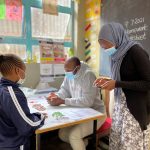


Usawa Agenda’s surveys are household-based rather than school-based, which means they capture children who are in school and children who are not — a distinction that matters enormously in a country where dropout and absenteeism can hide the true scale of a learning crisis.
The organisation works across all of Kenya’s 47 counties. Assessments are designed to be representative at both the national and subnational level, which allows Usawa to say not just how Kenyan children are doing on average, but how a child in one county compares to a child in another.
Why scale matters
Small, one-off studies can suggest a problem exists. Only surveys of this size and consistency — repeated over years — can show whether that problem is getting better, getting worse, or simply changing shape.
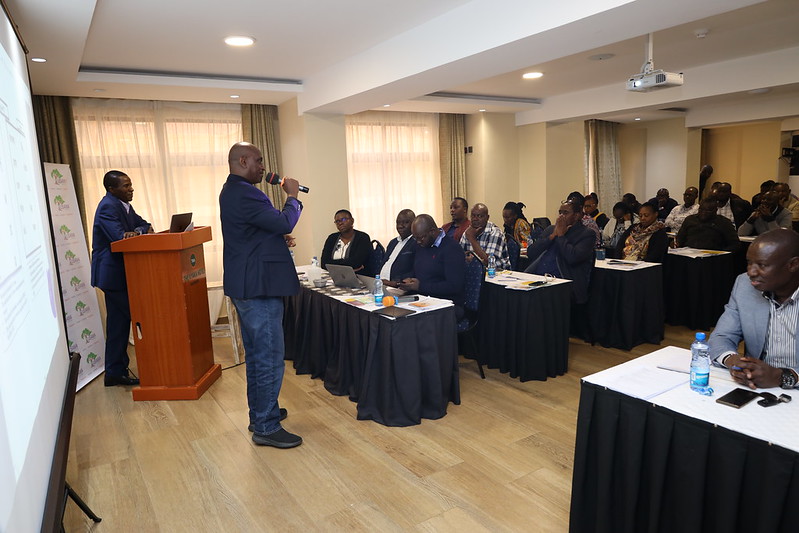
That scale is also what gives Usawa’s evidence its credibility with government. When the Kenya National Bureau of Statistics treats your data as a meaningful input into national conversations on literacy and numeracy, it is because the sampling and methodology can withstand scrutiny.