Wednesday, 25 Nov 2026
Live
Monitoring, Evaluation and Learning (MEL) is central to how Usawa Agenda designs, implements and improves its programmes. We use evidence, data and stakeholder feedback to track progress, assess results and strengthen our contribution to education outcomes.
Our MEL approach combines quantitative and qualitative methods to measure performance, understand change and generate lessons that inform better decisions and future programming.
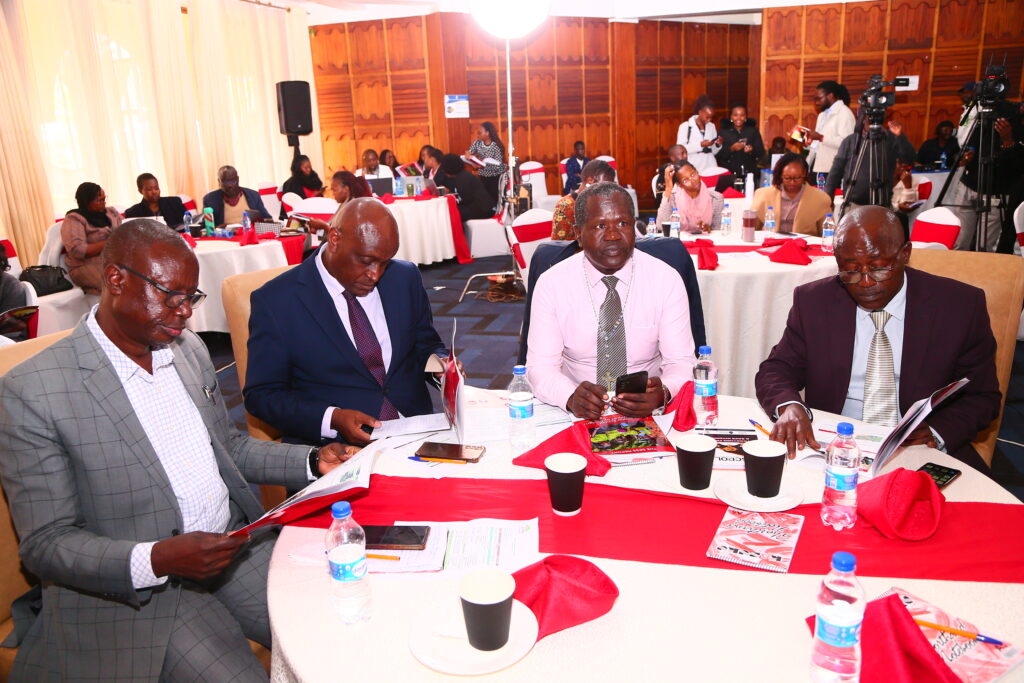
We use performance scorecards, indicator tracking tools and digital data collection systems to support timely reporting, accountability and informed decision-making.
We continuously track programme implementation to ensure activities are delivered as planned, resources are used effectively and quality standards are maintained.
Tracking activities, budgets, outputs and progress against planned targets.
Conducting school, community and household visits to assess implementation, verify progress and identify challenges.
Documenting interactions with policymakers, education practitioners, communities and partners.
Tracking coverage of Usawa Agenda's activities and wider visibility.
We assess the effectiveness of our programmes by examining immediate outputs, longer-term outcomes and their contribution to education systems and policy.
Our evaluations help us understand what works, what needs improvement and whether our interventions are achieving their intended results.
Establishing starting points against which programme progress and results can be measured.
Reviewing progress, identifying gaps and informing improvements during implementation.
Assessing programme achievements, outcomes, impact and lessons for future interventions.
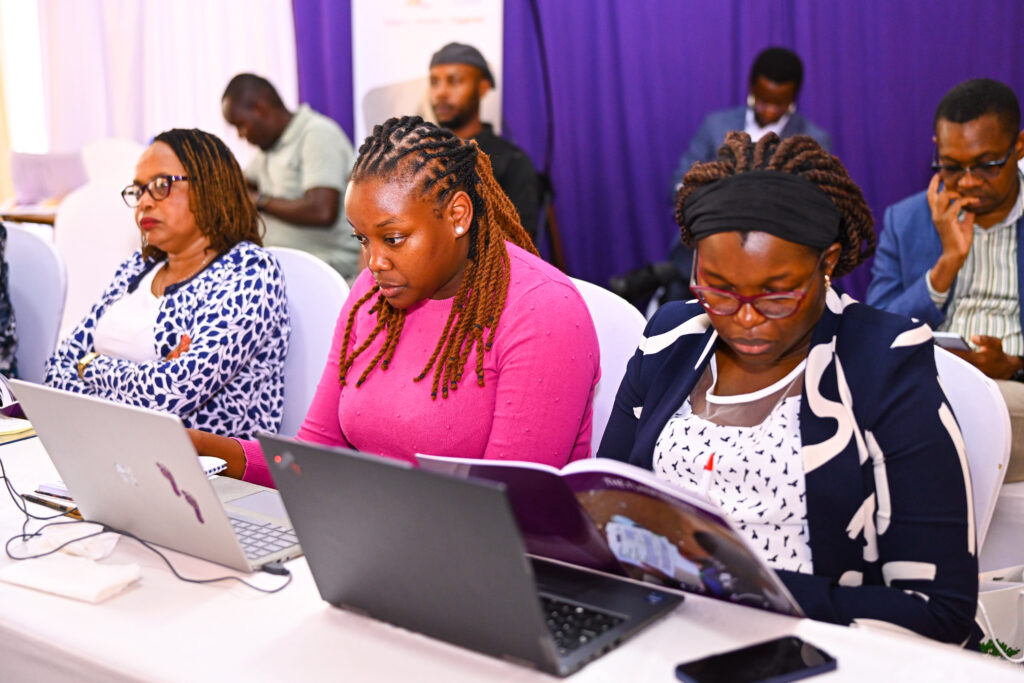
Depending on the programme, evaluations are conducted internally or with the support of external experts. We use findings to strengthen implementation, inform strategic decisions and contribute to national and global education discourse.
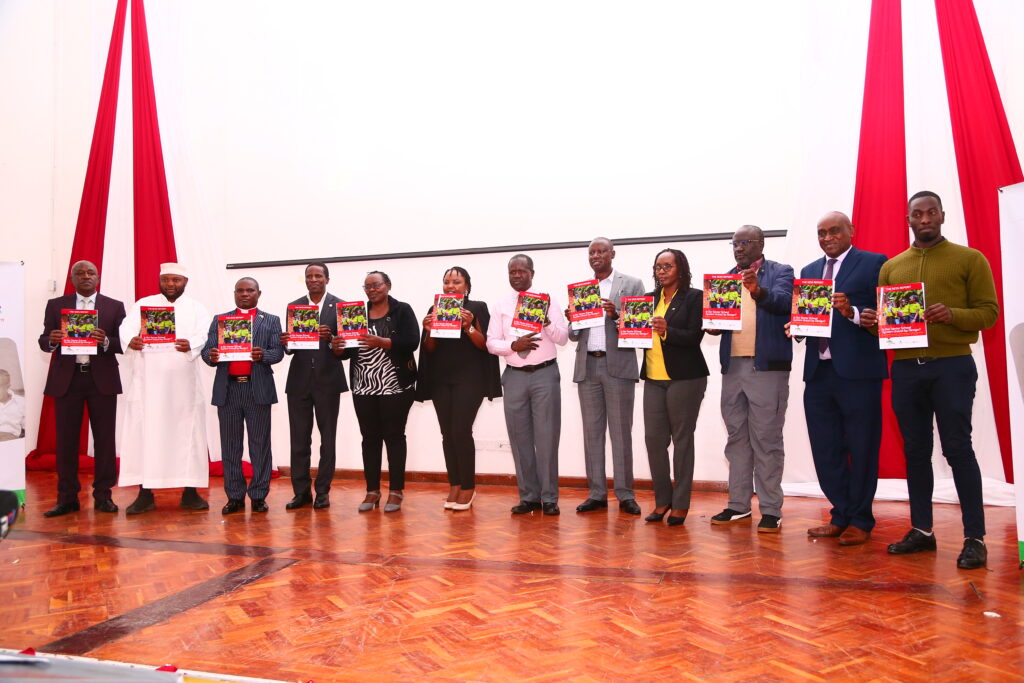
Through these activities, we ensure that lessons and evidence inform our decisions, strengthen our programmes and contribute to wider knowledge and practice in education.
At Usawa Agenda, MEL is more than tracking activities and measuring results. It is about using evidence to improve education programmes, strengthen accountability and advance education justice.
We promote a culture of continuous learning, reflection and adaptation. Insights from our programmes, research and stakeholder engagements help us improve our work and respond to emerging education challenges.
Reviewing implementation experiences, identifying what works and adapting approaches based on emerging evidence.
Organising staff retreats, annual reflection meetings and learning sessions with partners and stakeholders.
Supporting staff and partners through relevant training, study visits and conferences.
Encouraging staff to develop and publish research that contributes to knowledge on education outcomes and their drivers.
Providing internship opportunities for graduates and opportunities for researchers and academics to engage with our data and studies.
