
 Best Seller


Blog

A Guide to Surgical Drapes: Choosing by Procedure
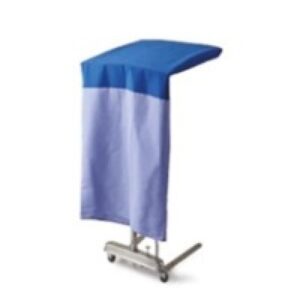
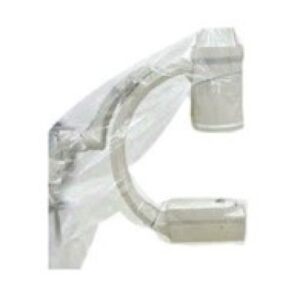
Surgical drapes create a sterile field around the surgical site and help keep the patient and the team safe. Different procedures need differently shaped drapes, so this is a quick guide to the main types. General surgery Orthopedic surgeryThis is the widest category: Knee, Bilateral Limb, Arthroscopy, Leg U, Hip U and Shoulder U drapes. The “U” drapes have a U-shaped cut-out to fit around the limb or joint. Specialty procedures Equipment coversDrapes aren’t the only thing that needs covering. We also supply covers for C-arms, cameras and Mayo stands, plus plain sheets. What to check when ordering
Examination Gloves vs Surgical Gloves: What’s the Difference?
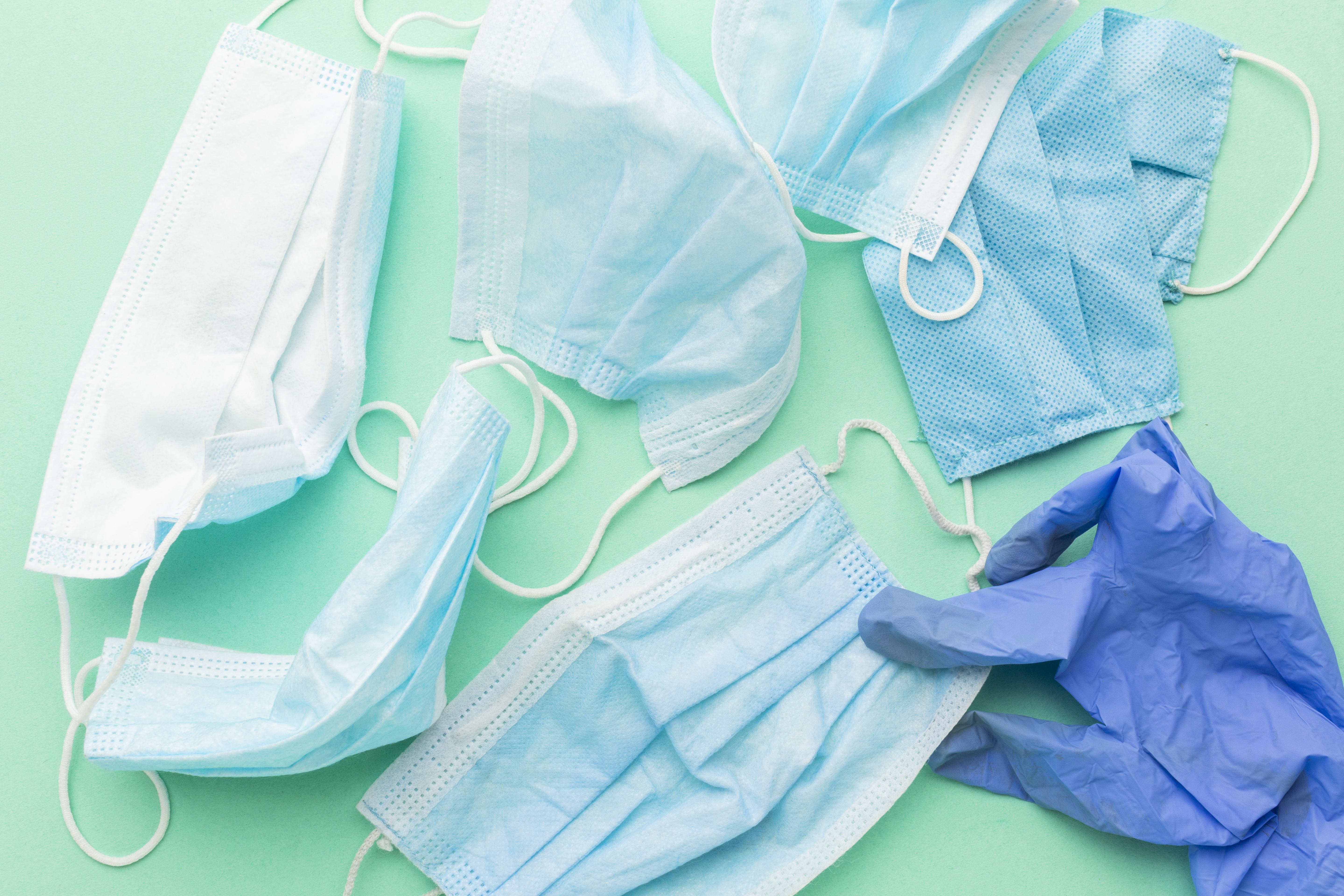
Gloves look similar, but examination and surgical gloves are made for different jobs. Examination glovesThese are for routine patient contact, such as check-ups, dressing changes and basic procedures. They are usually non-sterile and sold in boxes of many pairs. Our Grade A latex examination gloves come in sizes S, M, L and XL, with 100 pieces per box. Surgical glovesSurgical gloves are sterile and made for operating theatres and invasive procedures. They are hand-specific with a beaded cuff and a micro-rough textured surface for a secure grip. Ours are made from natural high-grade rubber latex and sterilized with ethylene oxide, with a shelf life of 3 years from manufacture. Each pair is folded in a paper wallet with left and right indication, then sealed in a medical pouch. Powdered or powder-free?Powdered gloves use bio-absorbable corn starch to make them easier to put on. Powder-free gloves skip it. Both are available for surgical gloves, so choose according to your facility’s protocol. Latex allergyNatural rubber latex can cause allergic reactions in some people, including serious ones. Check staff and patients for latex sensitivity before choosing a glove material, and keep a latex-free option available where needed. Storage tipStore gloves in a cool, dry place away from direct light. Heat, light and moisture can weaken latex. Need gloves in bulk for your clinic or hospital? Request a quote and tell us the type, size and quantity.
How to Choose the Right Surgical Gown for Your Facility
Learn how fabric type, AAMI protection levels and gown styles affect which surgical gown is right for your hospital or clinic. Surgical gowns protect both the patient and the surgical team, so it helps to know what separates one gown from another. Here are the four things to look at. 1. Fabric constructionMost disposable gowns are made from layered non-woven fabric. SMS stands for spunbond-meltblown-spunbond, and SMMS adds a second meltblown layer. More layers generally mean a better barrier against fluids while the fabric stays breathable. Our gowns are available in SMS, SMMS and SSMMS micro-porous fabrics. 2. Protection levelGowns are rated on the AAMI scale from Level 1 (minimal protection) to Level 4 (high protection). Choose the level based on how much fluid exposure your procedures involve. A routine minor procedure and a long operation with heavy fluid exposure call for different levels. 3. Gown style 4. Fabric weight and fit detailsFabric weight (GSM) affects strength and feel. We offer 43, 50, 60 and 65 GSM, and the gowns have knitted cuffs, 2 or 4 belts and neck ties or a Velcro fastener. Each gown comes with absorbent hand towels, is ultrasonically welded, and is ETO sterilized in a medical pouch. Not sure which gown suits your theatre? Contact us with your procedure types and we’ll recommend the right option and request a quote.