Beekeeping has long been part of life in the Mau Forest.
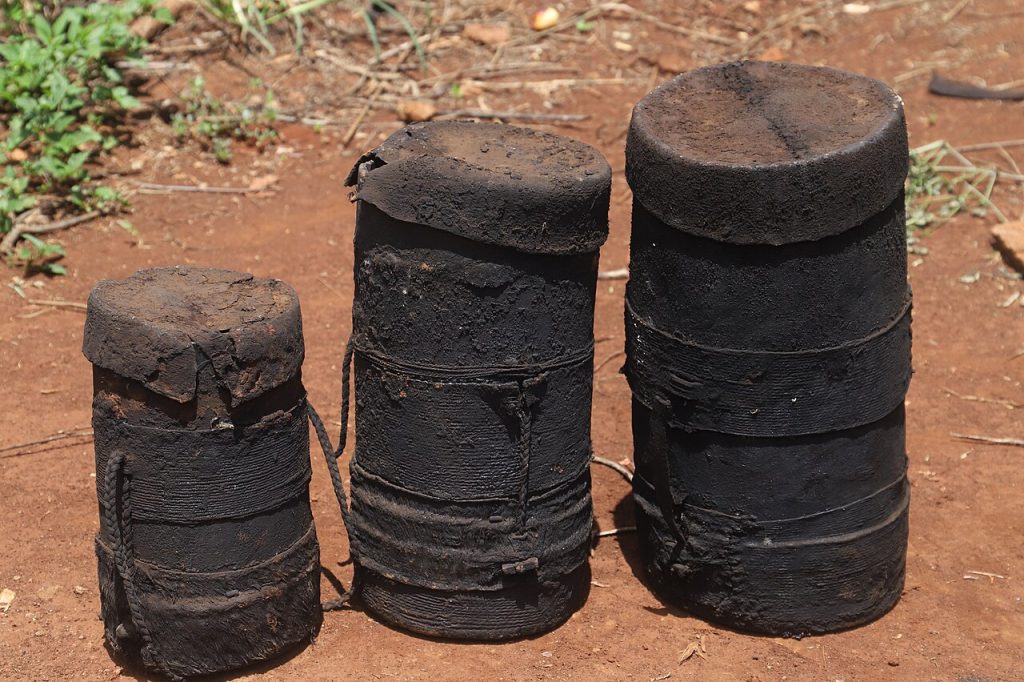
For generations, forest communities have kept bees here, placing their hives high in the forest trees and passing their know-how from one generation to the next. Honey has been a staple food and a part of social life.
A highland forest
The Mau Forest Complex is the largest remaining indigenous montane forest in East Africa and one of Kenya’s five water towers. Between 1,800 and 3,200 metres, bees forage on native broadleaf trees and wild forest flora, which give the honey its character.
A forest under pressure
Over recent decades the Mau has lost part of its forest cover to logging and charcoal burning. Trees that carried hives were often the ones left standing, and beekeeping remains one of the livelihoods that depend on a living forest.
From traditional hives to new practices
Alongside traditional log hives, beekeepers have adopted modern hives, first top-bar hives and then frame hives, to supply a growing market for honey. Today both ways of keeping bees exist side by side.
Towards a Geographical Indication
To protect the name and reputation of their honey, beekeepers and their partners began work on a Geographical Indication. This has meant studying what makes the honey distinctive, including its composition and taste, defining the area of production and bringing the beekeepers of the Mau together around shared rules.
More than honey, a living forest heritage.
The association today
The association brings together the authorised producers of Mau Forest Honey. It manages the GI collectively: it looks after the specification, works with the control and traceability system, and promotes the honey and its origin.
The GI is not a private brand. It is a shared identity for the eligible producers of the territory.