Pioneering Sustainable Stingless
Beekeeping
Meli Eco Ltd. combines science, sustainability, and innovation to conserve stingless bees while producing premium medicinal honey and empowering local communities.
Rooted in Tradition, Growing for Tomorrow
The formation of the company Meli Eco Ltd. draws from the scientific and business experience of its two founding directors, Mr. Francis Gacheru and Dr. Bonnie Dunbar. Mr. Gacheru has a BS degree in Entomology from Kenyatta University and worked for 7 years at ICIPE (International Center of Insect Physiology and Ecology) Bee Institute as a Bee Biologist Research Assistant, specializing in the management of stingless bee farming and honey production.
Dr. Bonnie Dunbar was a professor
in Molecular and Cellular Biology (specializing in Immunology and Reproductive Medicine) at Baylor College of Medicine in Houston, TX.
She has published over
200 scientific papers including 2 text books and was the founder of a Biotechnology
company, Zonagen in the US that went public on the stock exchange market. She
came to Kenya as a United States Fulbright Scholar and has was a
hotelier/restaurateur in Kenya for 25 years.
Why Choose Us
Why Farm Stingless Bees?
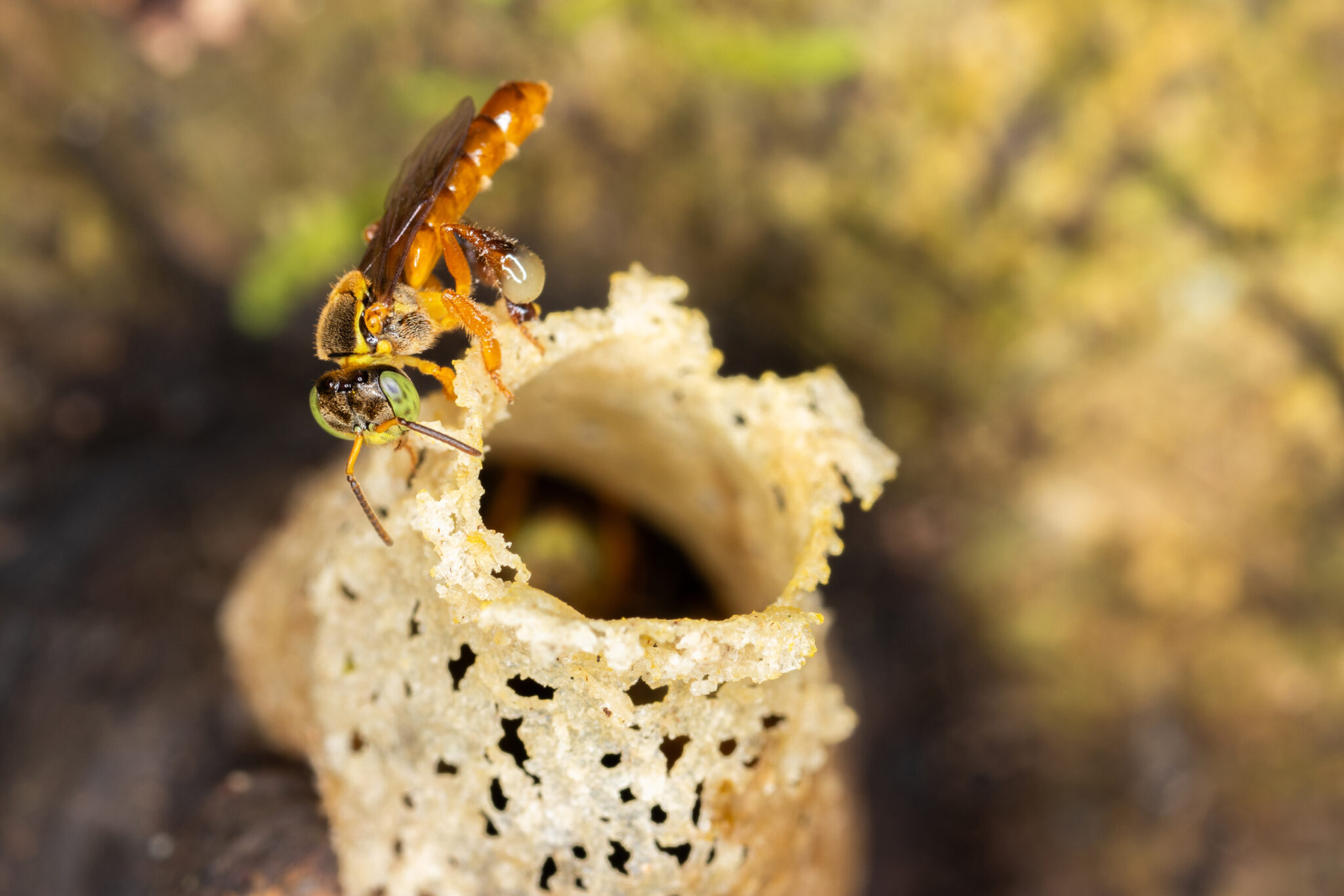
Cannot Sting
These gentle bees are naturally stingless, making them safe to keep around homes, schools, and farms.
Better Pollinators
Their small size allows them to pollinate a wider variety of flowers and crops, improving yields and biodiversity.
Reduced Chemical Exposure
Their small size allows them to pollinate a wider variety of flowers and crops, boosting biodiversity and yields.
Superior Medicinal Honey
Stingless bee honey is prized for its antioxidants, antibacterial properties, and medicinal benefits.
A Pollinator the Forest Can't Do Without
Stingless bees reach flowers that stinging honey bees never visit — work that quietly holds up forests, farms, and rural incomes across the tropics. In Kenya, where wild colonies are now endangered, breeding them at scale is conservation and enterprise in the same act.
Wild & Native Plants
Dominant or key pollinators across the tropics, supporting the reproduction of a vast range of wild species. This is the quiet work behind biodiversity, forest regeneration, and ecosystem stability in rainforests and other diverse habitats.
Crop & Agricultural Propagation
Enhance fruit and seed yield across cultivated species — often outperforming honey bees in the tropics through buzz pollination, which shakes pollen loose from flowers like tomatoes and peppers that keep it sealed away.