Introduction
In an increasingly complex and fast-changing world, leadership is no longer defined by position or authority alone. Today’s leaders are expected to navigate uncertainty, inspire diverse teams, and make decisions that create lasting impact. This evolving landscape demands more than experience it requires continuous growth, strategic insight, and intentional development. Executive training and mentorship have become essential tools in shaping leaders who are not only effective but also adaptable, ethical, and future-focused.
The Shift in Leadership Expectations
Modern leadership goes beyond managing operations or achieving short-term results. Leaders are now expected to: Think strategically in dynamic environments, lead with integrity and accountability, foster innovation and collaboration and drive sustainable and inclusive growth Without deliberate development, even the most experienced leaders can struggle to meet these expectations. This is where structured executive training plays a critical role.
The Value of Executive Training

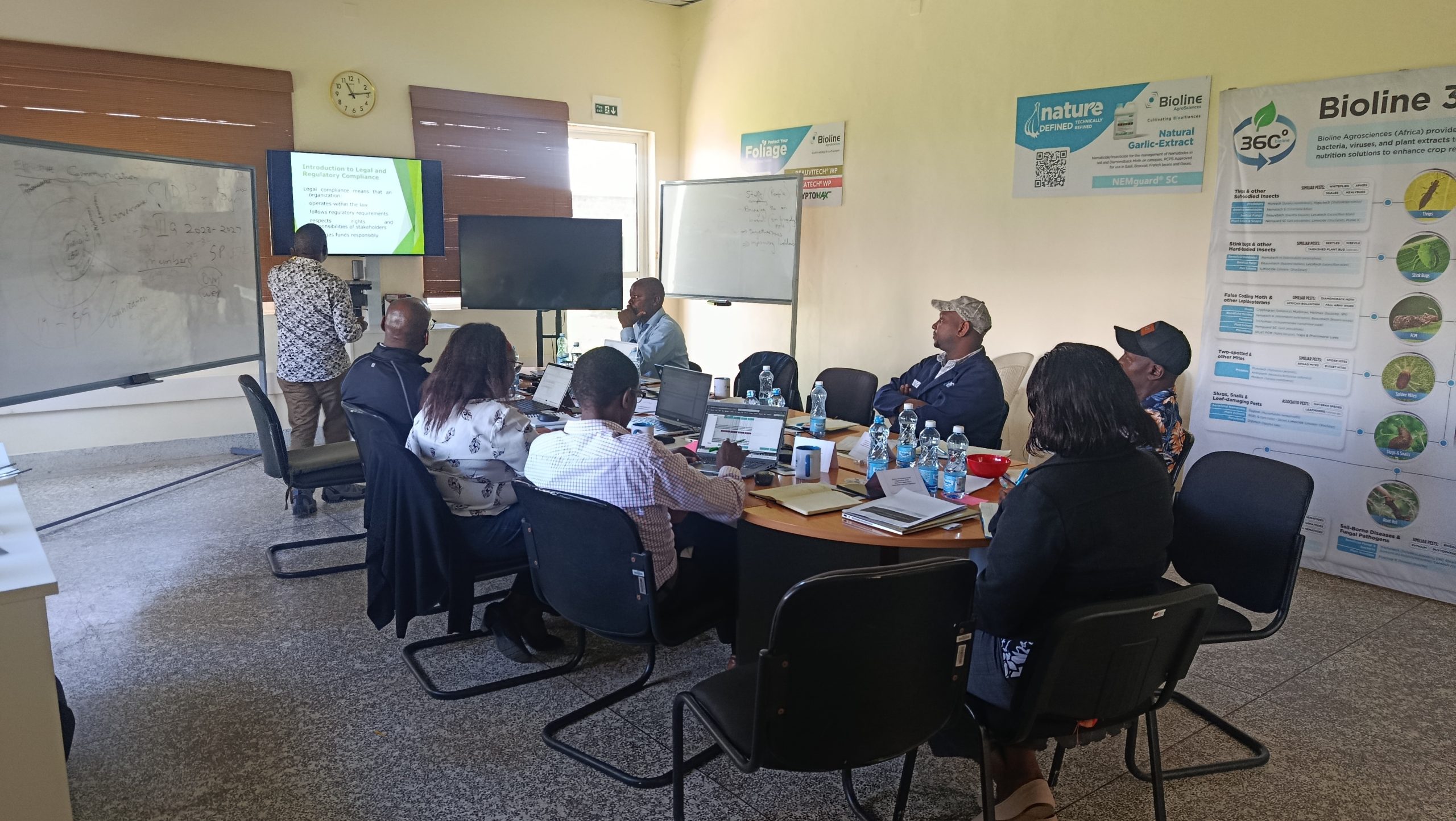
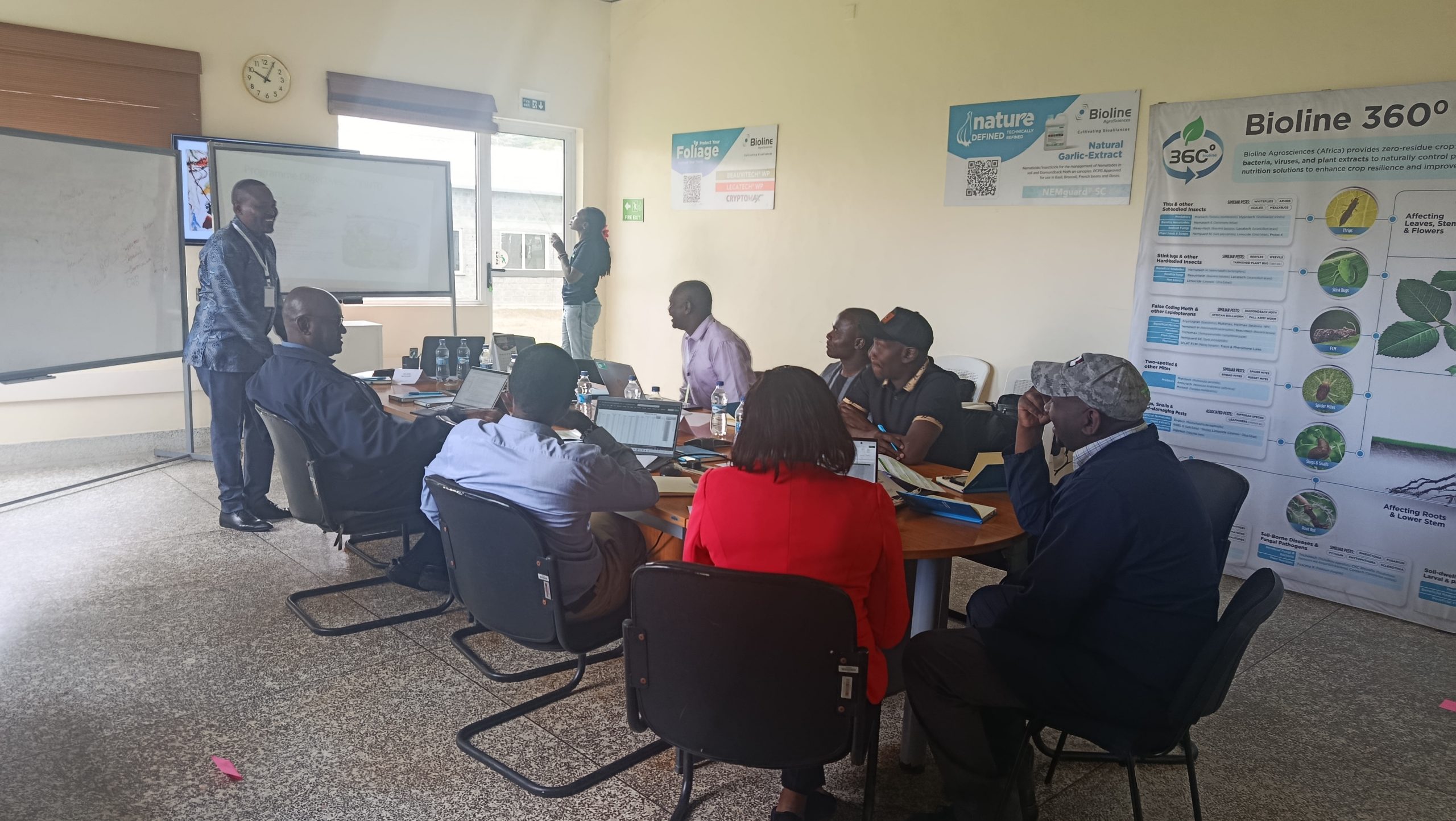
Executive training provides leaders with the frameworks, tools, and perspectives needed to perform at a higher level. It creates space for reflection, learning, and skill-building in areas such as: Strategic decision-making, governance and accountability, organisational performance as well as leadership presence and influence More importantly, it equips leaders to move from reactive decision-making to intentional, forward-thinking leadership.
Why Mentorship Matters
While training builds knowledge and skills, mentorship adds a deeper layer of personal and professional growth. Mentorship offers: guidance through real-world leadership challenges, perspective from experienced leaders, accountability in personal and professional development and support in navigating transitions and complex decisions Through mentorship, leaders gain clarity, confidence, and the ability to apply what they learn in meaningful ways.
Coaching: Bridging Knowledge and Action
Coaching plays a critical role in translating learning into action. It helps leaders: identify strengths and areas for growth, develop practical solutions to current challenges, strengthen emotional intelligence and resilience and build confidence in decision-making Unlike traditional learning, coaching is personalised, making it highly effective for sustained leadership development.
Conclusion
The most effective leaders are those who commit to continuous growth. Through executive training, mentorship, and coaching, leaders are empowered to navigate complexity, lead with purpose, and create meaningful change.
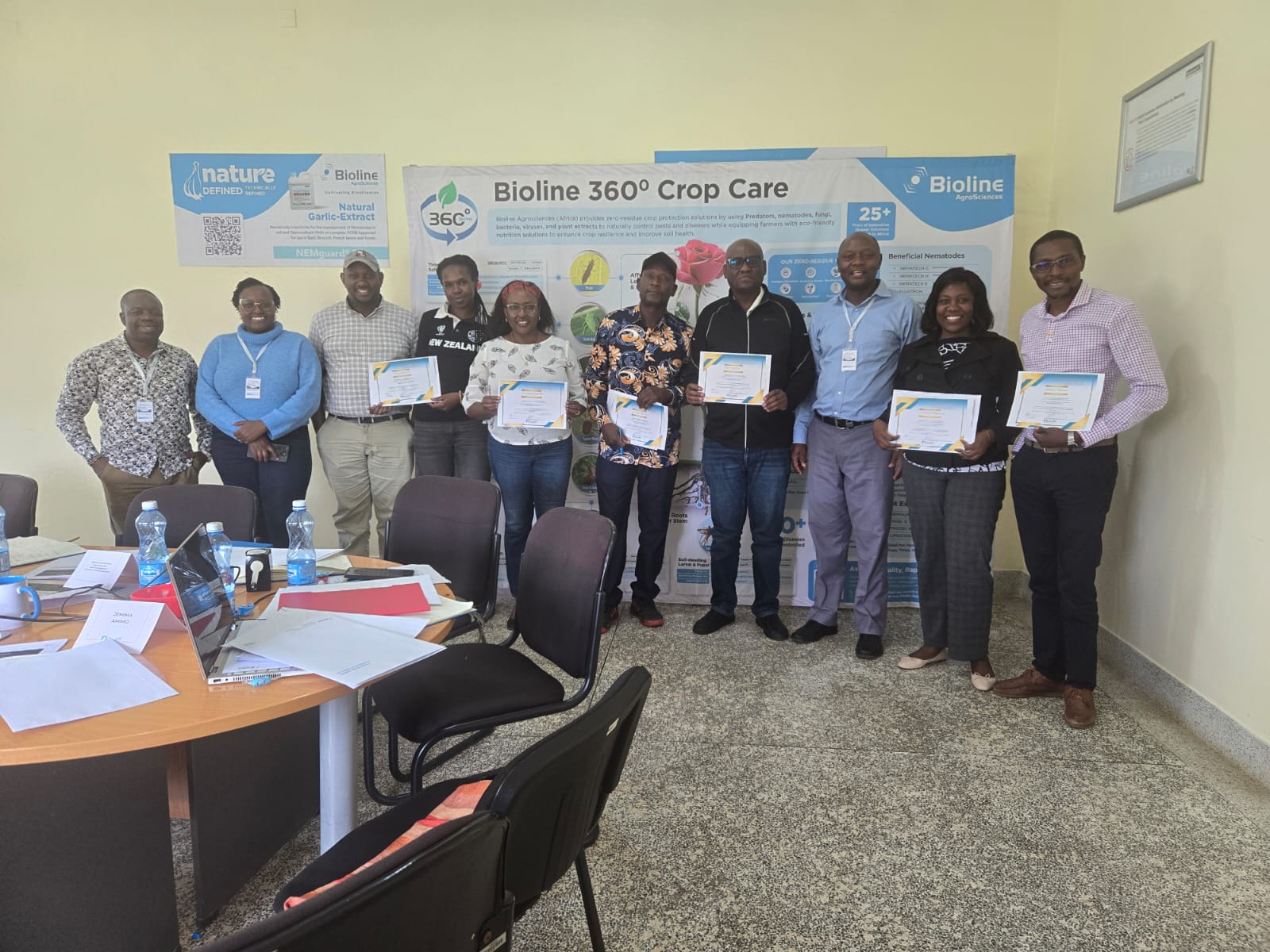
At NAWIRI, leadership development is more than a programme it is a journey. A journey that transforms individuals into leaders who inspire, influence, and make a lasting difference.
Ready to take your leadership to the next level?
Explore our programmes and discover how executive training, coaching, and mentorship can support your growth.
Related Posts
Inside NAWIRI: How Our Programmes Shape Transformational Leaders
How well this mistaken ideas off denouncing pleasure & praisings will give you complete.