


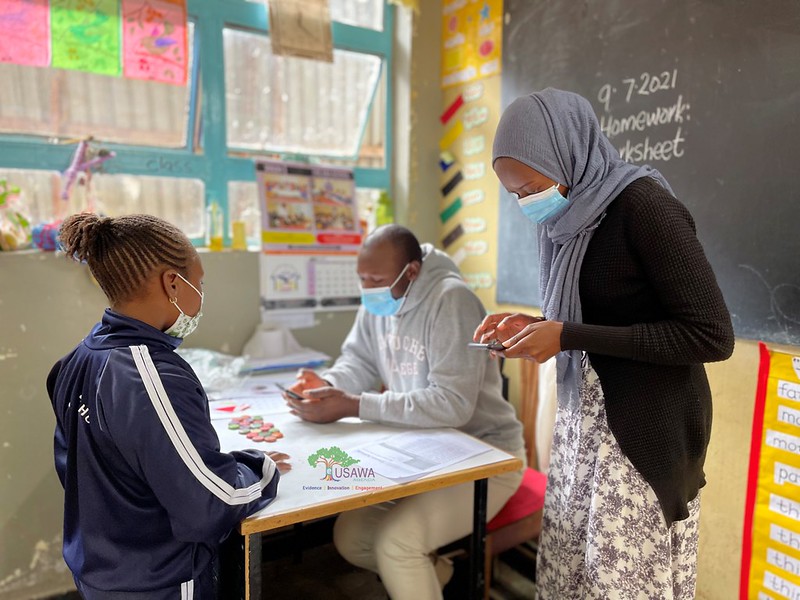
Every shilling spent on early childhood development education tends to do more work than the same shilling spent later. Usawa Agenda’s ECDE research consistently points to this as one of the clearest, most evidence-backed cases for reallocating education investment toward the pre-primary years.
Gaps that appear at ECDE level rarely stay contained there. A child who enters primary school without basic pre-literacy and pre-numeracy foundations tends to need more remedial support in every subsequent year — support that is more expensive and less effective than early intervention would have been.
The policy ask
Usawa’s brief argues for treating ECDE not as a lower priority than primary or secondary education, but as the highest-leverage point in the entire system — the stage where investment prevents problems rather than remediating them.
That argument is built directly on assessment data, not assumption — in line with Usawa’s broader insistence that policy recommendations should trace back to something measured, not merely believed.