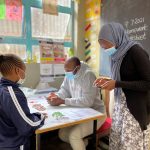


A child can be promoted from one grade to the next without ever mastering the reading or arithmetic skills that grade was supposed to teach. It happens quietly, and it happens often — which is exactly why Usawa Agenda measures learning directly rather than relying on grade progression as a proxy.
Foundational literacy and numeracy — the ability to read a simple story and solve basic arithmetic — are the building blocks every later subject depends on. A child who cannot read fluently by upper primary will struggle in every subject that requires reading, not just in language class.
Inputs are not outcomes
Kenya has made real progress getting children into classrooms. But enrolment measures access, not achievement. Usawa’s assessments exist precisely to answer the harder question: once a child is in school, are they actually learning?
That shift in focus — from inputs to outcomes — is at the core of what the organisation calls education justice: every child’s right not just to a desk, but to genuine learning.