

Extending Usawa Agenda’s assessment methodology into secondary schools meant designing a study almost from scratch — secondary learners face different subjects, different pressures and different assessment challenges than the primary-age children Usawa had traditionally surveyed.
The project team worked to build a sampling frame representative enough to support conclusions at national and subnational level, while designing assessment content appropriate to secondary-level competencies.
Training a new cohort of enumerators
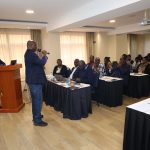
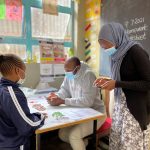
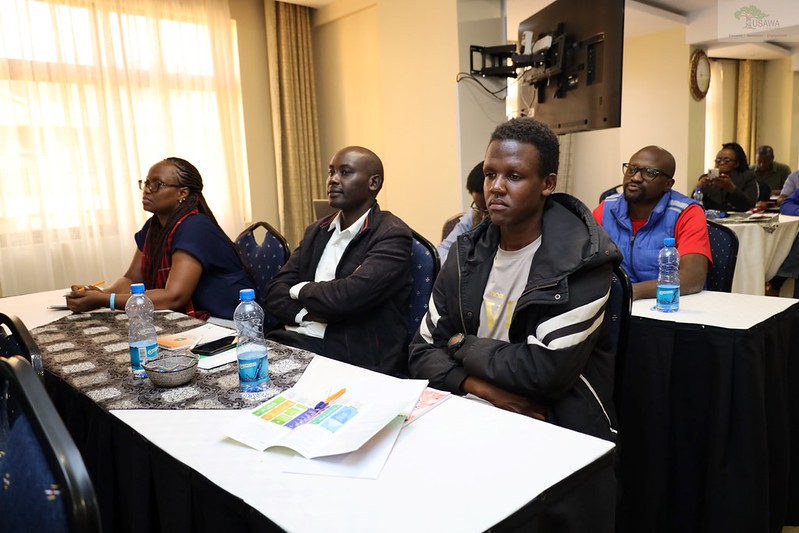
As with all of Usawa’s assessments, the survey relied on trained citizen volunteers for data collection — requiring a dedicated training programme tailored to the specifics of engaging with secondary-age respondents.
The result was a nationwide study that gave Kenya one of its first large, independent looks at learning outcomes beyond the primary years.