

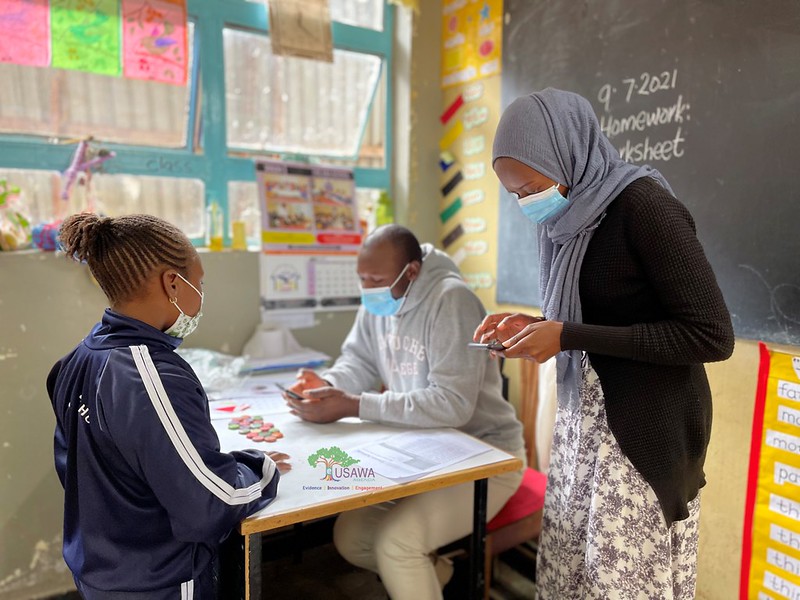
Usawa Agenda’s ECDE assessments ask a specific, foundational question: are Kenya’s youngest learners arriving at primary school with the basic skills they need to succeed once they get there?
Assessing children at this age requires different tools than those used for older learners — focused on early motor skills, pre-literacy recognition and basic pre-numeracy concepts rather than reading fluency or written arithmetic.
Findings that shape what comes next
Where ECDE assessments find gaps, those gaps tend to predict difficulty later on — reinforcing Usawa’s broader case that the pre-primary years deserve far more policy and funding attention than they typically receive.
These findings feed directly into Usawa’s policy work on ECDE investment, and into the tools the organisation continues to refine for assessing this youngest and most delicate stage of learning.